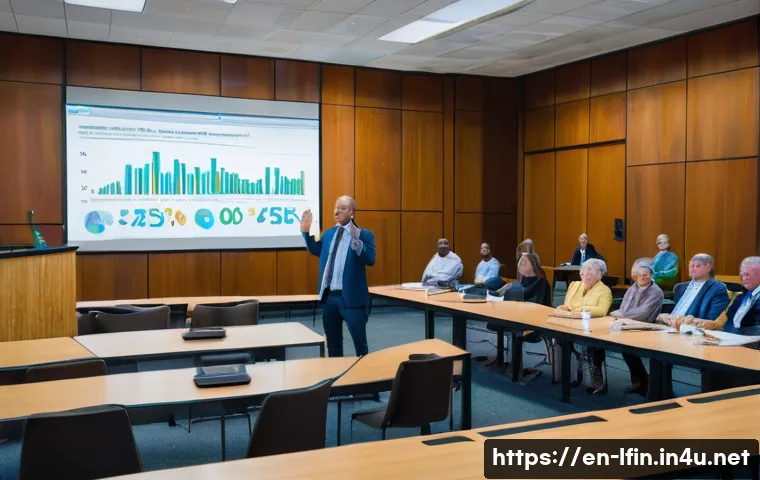
In today’s complex economic landscape, fiscal experts play a crucial role in shaping sustainable community growth. Their insights help ensure public funds are managed efficiently, promoting transparency and accountability.

With rising demands on local governments, these professionals guide strategic budgeting that directly impacts citizens’ quality of life. Understanding their social responsibilities offers a window into how public resources are optimized for the greater good.
Let’s dive deeper to uncover the significant societal contributions of fiscal experts!
Strategic Resource Allocation and Community Prioritization
Identifying Key Community Needs
One of the most challenging tasks fiscal professionals face is accurately pinpointing which community needs demand immediate attention. This involves analyzing demographic trends, economic indicators, and public feedback to prioritize projects that will yield the greatest social impact.
I’ve seen firsthand how a misalignment between resources and community priorities can stall development, so having a clear, data-driven understanding is essential for effective decision-making.
It’s not just about numbers; it’s about listening to the people and understanding the unique challenges their neighborhoods face.
Balancing Short-Term Pressures with Long-Term Goals
Local governments often operate under intense pressure to deliver quick wins, especially during election cycles or economic downturns. Fiscal experts must skillfully navigate these demands while ensuring that budgeting decisions support sustainable growth over time.
From my experience, this balancing act requires patience and a deep commitment to strategic foresight. It’s like steering a ship—you need to keep the immediate waves in check without losing sight of the horizon.
This approach helps prevent costly mistakes that can burden future generations.
Enhancing Public Participation in Budgeting
Increasingly, fiscal experts are championing transparency by encouraging community involvement in budget planning. Public forums, surveys, and digital platforms are utilized to gather input, making the budgeting process more democratic.
I’ve noticed that when residents feel heard, there’s a stronger sense of ownership and trust in how funds are managed. This collaborative approach not only improves the quality of decisions but also fosters civic engagement, which is vital for vibrant local governance.
Promoting Financial Transparency and Accountability
Implementing Clear Reporting Practices
A cornerstone of effective public finance management is clear and accessible reporting. Fiscal experts develop comprehensive reports that break down expenditures, revenues, and project outcomes in a way that the average citizen can understand.
In my experience working with local governments, this transparency builds confidence and reduces suspicions about mismanagement. It’s not just about compliance; it’s about empowering people with knowledge about where their tax dollars go.
Leveraging Technology for Real-Time Monitoring
The integration of technology has revolutionized how fiscal data is tracked and shared. Many municipalities now use online dashboards and mobile apps to provide real-time updates on budget status and spending.
I’ve found these tools incredibly useful for identifying inefficiencies early and adjusting plans accordingly. Plus, they offer residents instant access to financial information, which enhances accountability and makes governance more responsive.
Strengthening Internal Controls and Auditing
Fiscal experts play a pivotal role in designing robust internal controls to prevent fraud and errors. Regular audits, both internal and external, are crucial components of this system.
Drawing from my observations, organizations with strong auditing practices not only safeguard public funds but also improve operational efficiency. These controls create a culture of responsibility that permeates every level of government operations.
Driving Economic Development through Fiscal Insight
Supporting Infrastructure Investments
Infrastructure projects like roads, schools, and public transit are the backbone of thriving communities. Fiscal experts evaluate the financial feasibility and long-term benefits of such investments, ensuring that funds are allocated wisely.
I’ve witnessed how well-planned infrastructure spending can attract businesses, create jobs, and elevate the overall quality of life, making these decisions critical for sustained economic growth.
Facilitating Public-Private Partnerships
Collaborations between government entities and private companies often require careful financial structuring to balance risks and rewards. Fiscal experts provide the expertise needed to negotiate terms that protect public interests while encouraging private investment.
From what I’ve experienced, these partnerships can unlock resources that might otherwise be unavailable, but they demand transparency and clear accountability mechanisms to succeed.
Analyzing Fiscal Impact of Policy Changes
Every policy adjustment carries financial implications that must be thoroughly assessed. Fiscal professionals conduct detailed impact analyses to forecast budgetary effects and identify potential funding gaps.
I recall instances where such evaluations prevented costly missteps by highlighting unintended consequences before policies were enacted. This foresight is indispensable for maintaining fiscal health and community stability.
Building Capacity through Education and Training
Empowering Local Officials with Financial Literacy
Many local government officials come from diverse backgrounds and may lack formal training in finance. Fiscal experts often take on the role of educators, providing workshops and resources to enhance their understanding of budgeting principles.
I’ve found that these efforts result in more informed decision-making and smoother collaboration across departments, ultimately benefiting the entire community.
Developing Succession Plans for Fiscal Roles
Ensuring continuity in financial management requires planning for future leadership. Fiscal experts work to identify and mentor emerging talent within government agencies, preparing them to take over key responsibilities.
From my viewpoint, investing in people is as important as managing funds—it guarantees that institutional knowledge is preserved and that financial stewardship remains strong over time.

Promoting Ethical Standards in Fiscal Practices
Ethics form the bedrock of public trust in financial management. Fiscal professionals advocate for codes of conduct and ethical guidelines that govern budget-related activities.
I’ve observed how a strong ethical framework helps prevent corruption and fosters a culture of integrity, which is essential for the legitimacy and effectiveness of public institutions.
Utilizing Data Analytics to Enhance Decision-Making
Integrating Big Data for Predictive Budgeting
Modern fiscal management increasingly relies on data analytics to forecast revenues and expenditures with greater accuracy. By analyzing historical trends and external variables, fiscal experts can predict financial outcomes and adjust budgets proactively.
In my experience, this predictive capability reduces surprises and allows local governments to plan more confidently, improving overall fiscal resilience.
Visualizing Financial Information for Stakeholders
Data visualization tools transform complex financial data into intuitive charts and graphs, making it easier for stakeholders to grasp key insights. I’ve seen how well-designed visualizations facilitate productive discussions among policymakers and the public, helping align everyone’s understanding and expectations regarding fiscal priorities.
Monitoring Performance Metrics Continuously
Tracking key performance indicators (KPIs) enables fiscal experts to evaluate the effectiveness of budget allocations in real time. This ongoing monitoring supports timely interventions and course corrections.
From my perspective, continuous performance assessment is vital for maximizing the impact of public funds and demonstrating accountability to constituents.
Enhancing Crisis Preparedness and Fiscal Resilience
Establishing Emergency Funds and Contingency Plans
Unpredictable events such as natural disasters or economic downturns require local governments to have financial buffers in place. Fiscal experts play a crucial role in setting up emergency reserves and crafting contingency budgets.
I have witnessed how these preparations provide a safety net that enables communities to respond quickly and recover more effectively from crises.
Adapting Budget Strategies Amid Economic Uncertainty
Economic volatility demands flexible fiscal approaches that can adjust to shifting conditions. Fiscal professionals develop scenario-based plans to accommodate potential revenue shortfalls or unexpected expenses.
Based on my observations, this adaptability is key to maintaining service delivery without compromising financial stability during tough times.
Coordinating with Regional and Federal Agencies
Effective crisis management often involves collaboration beyond local boundaries. Fiscal experts coordinate funding and resources with higher-level government agencies to optimize response efforts.
I’ve found that strong intergovernmental relationships enhance access to grants and emergency aid, amplifying a community’s capacity to withstand shocks.
Summary of Fiscal Roles and Responsibilities
| Role | Key Responsibilities | Impact on Community |
|---|---|---|
| Resource Allocation | Prioritizing projects, balancing budgets, public engagement | Ensures funding matches community needs and promotes sustainable growth |
| Transparency & Accountability | Clear reporting, technology use, auditing | Builds public trust and prevents financial mismanagement |
| Economic Development | Infrastructure evaluation, public-private partnerships, policy analysis | Drives job creation, business attraction, and long-term prosperity |
| Capacity Building | Training officials, succession planning, ethical standards | Enhances financial literacy and ensures leadership continuity |
| Data Analytics | Predictive budgeting, visualization, performance monitoring | Improves decision accuracy and fiscal responsiveness |
| Crisis Preparedness | Emergency funds, adaptive strategies, intergovernmental coordination | Strengthens resilience and rapid recovery in emergencies |
Conclusion
Effective fiscal management is essential for building strong, resilient communities. By aligning resources with priorities, promoting transparency, and embracing innovation, local governments can foster sustainable growth and public trust. Through collaboration and strategic foresight, fiscal professionals play a vital role in shaping a prosperous future for all residents.
Useful Information to Know
1. Prioritizing community needs requires both data analysis and genuine public engagement to ensure impactful resource allocation.
2. Transparency in budgeting builds trust and encourages citizen participation, which strengthens governance.
3. Infrastructure investments and public-private partnerships are key drivers of local economic development and job creation.
4. Continuous education and ethical standards for officials enhance financial literacy and promote responsible stewardship.
5. Utilizing data analytics and preparing for crises enable governments to respond proactively and maintain fiscal stability.
Key Takeaways
Strategic resource allocation must balance immediate demands with long-term community goals to maximize social impact. Transparency and accountability through clear reporting and technology are fundamental to public trust. Economic development relies on smart investments and partnerships that stimulate growth. Building capacity via education and ethical practices ensures sustainable fiscal leadership. Leveraging data analytics enhances budget accuracy, while crisis preparedness safeguards communities against unexpected challenges. Together, these elements form the foundation of effective and responsible public financial management.
Frequently Asked Questions (FAQ) 📖
Q: What are the main responsibilities of fiscal experts in local governments?
A: Fiscal experts primarily focus on managing public funds to ensure they are used efficiently and transparently. They develop strategic budgets that align with community priorities, monitor expenditures, and provide financial forecasts.
Their role is essential in balancing the needs of the community with available resources, which ultimately supports sustainable growth and improves citizens’ quality of life.
Q: How do fiscal experts contribute to transparency and accountability in public spending?
A: Fiscal experts implement strict financial controls and reporting standards that make public spending clear and accessible to stakeholders. By regularly publishing detailed budget reports and audits, they help build trust between local governments and residents.
Their oversight minimizes waste and fraud, ensuring that taxpayer money is spent responsibly and that government actions remain open to public scrutiny.
Q: Why is understanding the social responsibilities of fiscal experts important for communities?
A: Recognizing the social responsibilities of fiscal experts helps citizens appreciate how these professionals work behind the scenes to optimize public resources for the common good.
Their decisions affect everything from infrastructure projects to social services, impacting daily life in tangible ways. When communities understand this role, they can better engage with local government and support policies that promote long-term economic health and social equity.