Unlock Your Potential: Local Government Finance Career Secrets Revealed

webmaster

Data-Driven Decision Making**

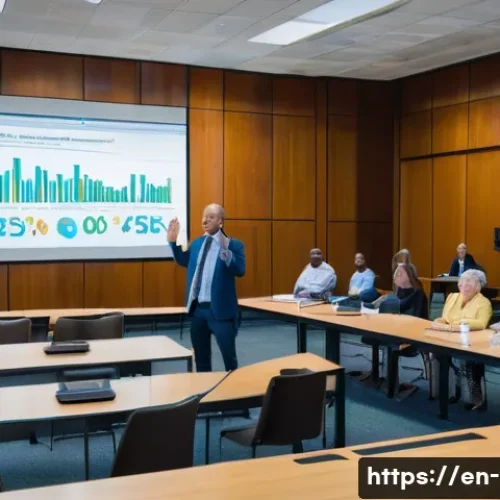
"A professional government finance officer, fully clothed in business attire, analyzing financial data on a computer screen in a modern office. Charts and graphs are visible on the screen, safe for work, appropriate content, professional, perfect anatomy, natural proportions, well-formed hands, excellent lighting, family-friendly."

**

So, you’re a whiz with municipal finances, a true guru of governmental budgeting? That’s fantastic! But let’s be honest, navigating a successful career path as a local government finance expert can sometimes feel like deciphering a particularly cryptic tax code.

Where do you even *start* when it comes to leveling up? From my own experience watching colleagues thrive (and a few who definitely *didn’t*), I’ve learned that it’s not just about crunching numbers; it’s about strategic planning, continuous learning, and maybe even a little bit of “playing the game.” The future also looks like it will need more AI-proficient experts with the rise of fintech solutions designed for city management.

Let’s dig a little deeper and uncover some practical tips to help you not just survive, but truly flourish in your career. Let’s get down to the nitty gritty.

Let’s find out more in the article below.

Okay, here is your blog post:

Sharpening Your Financial Acumen: Beyond the Numbers

unlock - 이미지 1

Let’s face it, being good at math isn’t enough. You need to *understand* the story the numbers are telling. I’ve seen brilliant analysts get passed over because they couldn’t explain complex financial situations in plain English to council members or residents.

1. Embrace Continuous Learning

Don’t let your certifications gather dust after you earn them. The world of finance is constantly evolving, and local government is no exception. New regulations, innovative funding models, and emerging technologies (like blockchain for tracking public funds – seriously!) demand that you stay on top of your game.

I personally subscribe to industry newsletters, attend webinars (even the boring-sounding ones often have hidden gems!), and network with other finance professionals to keep my knowledge fresh.

And when the budget allows, I strongly suggest taking a course or attending a conference to dive deeper into specific areas. I remember when GASB (Governmental Accounting Standards Board) issued new guidance on lease accounting a few years back, and the ones who failed to learn it quickly were left behind to do the grunt work!

2. Master the Art of Communication

This is where so many finance professionals stumble. You can have the most brilliant financial strategies, but if you can’t clearly communicate them to elected officials, department heads, and the public, they’re dead in the water.

Hone your presentation skills, learn to write concise and informative reports, and be prepared to answer tough questions in a way that builds trust and confidence.

Seriously, practice explaining complicated concepts to your non-finance friends – if *they* get it, you’re on the right track!

Building Bridges: Collaboration is Key

Government finance isn’t a solo act. You’re part of a team, and you need to be able to work effectively with people from diverse backgrounds and with varying levels of financial literacy.

1. Cultivate Strong Relationships

Networking is key and building relationships with other departments and agencies is a must. It’s always better to have a friendly face to call when you need information or support.

For example, developing a good rapport with the IT department can be invaluable when implementing new financial software. * Participate in interdepartmental meetings
* Offer to provide financial training to other departments
* Attend social events and get to know your colleagues on a personal level

2. Become a Problem Solver, Not Just a Gatekeeper

No one likes the finance person who always says “no.” While it’s important to ensure compliance and fiscal responsibility, you also need to be creative and find solutions that meet the needs of your community.

If a department comes to you with a funding request that doesn’t quite fit the budget, don’t just reject it outright. Work with them to explore alternative funding sources, find ways to reduce costs, or restructure the project to make it more financially viable.

Remember, you’re there to enable progress, not obstruct it.

Strategic Thinking: Seeing the Big Picture

Being a successful government finance professional requires more than just technical skills; you need to be able to think strategically and understand how your work contributes to the overall goals of the organization.

1. Develop a Long-Term Vision

Don’t get bogged down in the day-to-day details. Take the time to step back and think about the long-term financial health of your community. What are the key challenges and opportunities facing your city or county?

What steps can you take to ensure that your government has the resources it needs to meet the needs of its residents in the years to come? This might involve developing long-range financial plans, identifying potential revenue sources, or exploring innovative financing mechanisms.

2. Embrace Data-Driven Decision Making

Gone are the days of relying on gut feelings or anecdotal evidence. Today, you need to be able to use data to inform your decisions. Learn to analyze financial data, identify trends, and develop forecasts.

Use data to track performance, measure outcomes, and demonstrate the value of your work. Remember, you can’t manage what you don’t measure!

Navigating Ethical Dilemmas: Doing the Right Thing

Working in government finance comes with a high level of responsibility and ethical scrutiny. You need to be prepared to make tough decisions and stand up for what’s right, even when it’s not easy.

1. Know Your Ethical Obligations

Familiarize yourself with the code of ethics for government finance professionals. Understand your responsibilities to the public, your colleagues, and your elected officials.

Seek guidance from your supervisor or ethics officer when faced with difficult ethical dilemmas. I personally would suggest keeping a confidential line to a personal ethics board or mentor to help resolve ethical dilemmas.

2. Be Transparent and Accountable

Make sure your financial decisions are transparent and open to public scrutiny. Document your processes, maintain accurate records, and be prepared to explain your reasoning.

Hold yourself accountable for your actions and be willing to admit mistakes. Transparency is key to building trust and maintaining the public’s confidence.

Staying Ahead of the Curve: Embracing Innovation

The world of government finance is changing rapidly, driven by technological advancements, demographic shifts, and evolving citizen expectations. You need to be willing to embrace innovation and adapt to new ways of working.

1. Explore New Technologies

From cloud-based accounting systems to artificial intelligence, technology is transforming the way governments manage their finances. Take the time to learn about these new technologies and explore how they can improve your efficiency, accuracy, and decision-making.

* Research the benefits of blockchain for government finance
* Experiment with data analytics tools to identify trends and patterns
* Explore the use of robotic process automation (RPA) to automate routine tasks

2. Think Outside the Box

Don’t be afraid to challenge the status quo and explore new ways of doing things. Look for innovative financing mechanisms, creative revenue sources, and collaborative partnerships that can help your government meet its financial challenges.

For example, a growing number of cities are exploring the use of social impact bonds to finance social programs.

Skill Why It Matters How to Develop It
Communication Explaining complex financial concepts clearly Practice, presentations, writing reports
Collaboration Working effectively with diverse teams Building relationships, active listening
Strategic Thinking Seeing the big picture and planning for the future Long-range planning, data analysis
Ethical Decision-Making Upholding integrity and transparency Code of ethics, seeking guidance
Innovation Adapting to new technologies and approaches Research, experimentation, open-mindedness

Cultivating Your Personal Brand: Marketing Yourself Effectively

In today’s competitive job market, it’s important to cultivate your personal brand and market yourself effectively. This means showcasing your skills, accomplishments, and unique value proposition.

1. Highlight Your Achievements

Don’t be shy about highlighting your achievements on your resume, LinkedIn profile, and in job interviews. Quantify your accomplishments whenever possible, using metrics to demonstrate the impact of your work.

For example, instead of saying “Improved budget process,” say “Improved budget process, resulting in a 15% reduction in processing time and a 10% increase in accuracy.”

2. Network Strategically

Attend industry events, join professional organizations, and connect with other government finance professionals online. Networking is a great way to learn about new opportunities, share your expertise, and build relationships that can help you advance your career.

When I was starting out, attending GFOA (Government Finance Officers Association) conferences was invaluable for networking with people outside my specific location.

Also remember that networking is not just about finding a job; it is about building relationships that can benefit you throughout your career.

Mastering Budgeting and Forecasting Techniques

At the heart of municipal finance lies the ability to predict and manage financial resources effectively. Proficiency in budgeting and forecasting isn’t just a technical skill; it’s an art that requires a deep understanding of economic trends and community needs.

1. Predictive Modeling and Scenario Planning

Modern budgeting transcends the traditional linear approach. Implement predictive modeling techniques that incorporate various economic indicators and demographic shifts.

Run multiple scenario analyses to prepare for potential economic downturns or unexpected increases in demand for public services. For instance, create a model that projects revenue based on different levels of property tax rates and sales tax volumes, and then stress-test it under varying conditions like recession or natural disaster.

2. Zero-Based Budgeting

Unlike incremental budgeting, which starts with the previous year’s budget and makes adjustments, zero-based budgeting requires justifying every expense from scratch.

This approach fosters a culture of fiscal discipline and encourages innovation by forcing departments to demonstrate the necessity and efficiency of their programs each budget cycle.

For example, instead of automatically renewing a contract for street maintenance, each line item should be evaluated for its effectiveness and cost-efficiency against other potential alternatives.

Harnessing Technology for Enhanced Financial Management

Embracing technology is no longer optional but essential for streamlining operations, enhancing transparency, and improving decision-making in local government finance.

1. Blockchain for Transparency and Accountability

Blockchain technology offers unparalleled transparency and security in financial transactions. Implementing blockchain-based systems can help track public funds, reduce fraud, and enhance accountability.

Consider using blockchain to track the allocation and expenditure of funds for capital projects, making it easier to audit and verify the use of taxpayer dollars.

2. AI-Powered Financial Analytics

Artificial intelligence (AI) can revolutionize financial analysis by automating routine tasks, identifying anomalies, and generating predictive insights.

Deploy AI-powered tools to analyze vast datasets of financial information, identify potential risks, and optimize budget allocations. For example, AI can analyze historical spending patterns to predict future budget needs and identify areas where costs can be reduced without compromising service quality.

In Closing

The path to excelling in government finance is a journey of continuous improvement and adaptation. By focusing on these skills and strategies, you can build a rewarding career and make a real difference in your community. Remember, success in government finance isn’t just about balancing the books; it’s about building a brighter future for the people you serve.

Keep honing those skills, embrace the challenges, and always strive to learn and grow. Your community deserves the best, and with dedication and the right approach, you can be the financial leader they need.

Helpful Tips to Remember

1. Regularly attend webinars and conferences focusing on government finance trends and best practices.

2. Network with other finance professionals through organizations like GFOA and ICMA.

3. Subscribe to newsletters and publications covering government finance and management.

4. Take advantage of online courses and certifications to enhance your skills and knowledge.

5. Volunteer for finance-related committees or boards in your community to gain practical experience.

Key Takeaways

Continuous learning is essential to stay ahead in the ever-evolving field of government finance.

Effective communication and collaboration skills are crucial for success in any government finance position.

Strategic thinking and data-driven decision-making are necessary for long-term financial health.

Ethical decision-making and transparency are vital for maintaining public trust.

Embracing innovation and technology is key to improving efficiency and effectiveness.

Frequently Asked Questions (FAQ) 📖

Q: Besides technical skills, what soft skills are crucial for success in local government finance?

A: Honestly, it’s not just about being a spreadsheet wizard. I’ve seen brilliant analysts get passed over because they couldn’t communicate effectively or build relationships.
You absolutely need to be able to explain complex financial data in a way that non-financial people (like council members or the public) can understand.
Think about it – you might need to pitch a new budget initiative, so communication, negotiation, and even a bit of emotional intelligence are key. I remember once having to explain why a new sewer system was necessary, and it involved more than just numbers – I had to connect with people’s concerns about their property values and quality of life.

Q: How important is it to stay updated with the latest technological advancements, like

A: I, in local government finance? A2: Huge! It’s not a matter of if, but when AI and other fintech solutions will revolutionize how cities manage their money.
I saw this firsthand when a neighboring city implemented a predictive analytics tool that helped them optimize their tax collection rates. Suddenly, they had more resources to invest in infrastructure.
You need to be proactive in learning about these new technologies, even if it means taking online courses or attending industry conferences. Think of it as future-proofing your career – you don’t want to be the person stuck using paper ledgers when everyone else is using AI-powered dashboards.

Q: What’s one piece of advice you’d give to someone just starting their career in local government finance?

A: Network, network, network! Seriously, don’t underestimate the power of building relationships with people in your field. Attend local government finance association meetings, connect with colleagues on LinkedIn, and reach out to seasoned professionals for mentorship.
I got my first big break because I struck up a conversation with a CFO at a conference, and she remembered me when a position opened up. Plus, building a strong network means you’ll have people to turn to when you have questions or need advice throughout your career.
It’s a long game, so invest in those relationships early on.