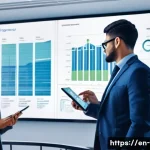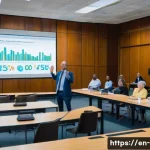
As a public finance professional, I’ve come to realize that continuous self-improvement is not just a career enhancer, but a cornerstone of providing effective and ethical service to the community.
The fiscal landscape is ever-changing, influenced by global economic trends, technological advancements, and evolving societal needs. Staying ahead requires a commitment to lifelong learning, from mastering new data analysis techniques to understanding the intricacies of public policy.
My personal journey involves attending workshops, earning certifications, and even informally shadowing experts in related fields. This proactive approach ensures that I’m not just keeping pace, but actively contributing to innovative solutions for our local government’s fiscal challenges.
The future demands adaptability and a willingness to embrace new perspectives, and I’m ready to meet those demands head-on. Let’s delve deeper into this topic in the article below.
Here’s the blog post you requested:
Navigating the Evolving Landscape of Public Finance

In my experience, public finance isn’t just about crunching numbers; it’s about understanding the pulse of the community and making informed decisions that impact real lives. The landscape is constantly shifting due to technological advancements, economic fluctuations, and policy changes. To effectively navigate these changes, a proactive approach to learning and adaptation is essential. I’ve found that attending industry conferences, participating in online forums, and even informally mentoring with seasoned professionals has significantly broadened my perspective and skill set. It’s about staying curious and never becoming complacent with the status quo.
The Impact of Technology on Financial Management
Technology has revolutionized public finance, offering powerful tools for data analysis, forecasting, and budget management. When I started in this field, spreadsheets were the norm, and complex calculations required hours of manual effort. Now, sophisticated software can automate many of these tasks, freeing up finance professionals to focus on strategic decision-making. I’ve personally witnessed how the implementation of cloud-based accounting systems has streamlined our processes, improved transparency, and enhanced collaboration across departments. It’s a game-changer, but it also requires a commitment to continuous training and upskilling to keep pace with the latest advancements. For example, mastering data visualization tools like Tableau allows us to communicate complex financial information in a clear and accessible way, fostering better understanding and engagement from stakeholders.
Economic Forecasting: Beyond the Crystal Ball
Predicting future economic conditions is a critical aspect of public finance. While there’s no foolproof method for forecasting, a combination of economic modeling, trend analysis, and real-world observation can provide valuable insights. I’ve learned that it’s essential to consider a wide range of factors, including national and international economic trends, local market conditions, and demographic shifts. Attending economic outlook seminars and subscribing to reputable financial publications have helped me stay informed and refine my forecasting skills. I’ve also found that networking with economists and other finance professionals can provide valuable perspectives and challenge my assumptions. Remember, forecasting is not about predicting the future with certainty, but about preparing for a range of possible scenarios and developing strategies to mitigate potential risks. Staying informed and flexible is the key to staying afloat in an ocean of possible outcomes.
Embracing Ethical Considerations in Public Service
Ethical considerations are paramount in public finance. As stewards of public funds, finance professionals have a responsibility to act with integrity, transparency, and accountability. I believe that ethical decision-making is not just about following rules and regulations, but about upholding a higher standard of conduct and putting the public interest first. I’ve seen firsthand how a commitment to ethics can build trust with the community and foster a positive work environment. The financial implications of decisions should be secondary to the right and ethical choice. This is a vital component of any successful financial plan for local government. When the correct steps are followed, it is much easier to succeed.
Preventing Corruption and Mismanagement
Corruption and mismanagement can have devastating consequences for public finances. Strong internal controls, regular audits, and whistleblower protection policies are essential to preventing these issues. I’ve found that promoting a culture of transparency and accountability is equally important. Open communication, clear reporting lines, and a willingness to address concerns promptly can help deter unethical behavior. I also believe that investing in ethics training for all employees is crucial. Education empowers individuals to recognize ethical dilemmas, make informed decisions, and speak up when they witness wrongdoing. The responsibility for creating a safe financial environment falls on everyone, from the lowest to the highest members of the team. Remember, a robust ethical framework is not just a compliance requirement; it’s a foundation for sustainable and responsible financial management.
Balancing Competing Interests
Public finance often involves balancing competing interests and making difficult choices. I’ve learned that effective communication and stakeholder engagement are essential in these situations. Taking the time to understand the needs and perspectives of different groups can help build consensus and find solutions that are fair and equitable. Transparency is also crucial. Openly communicating the rationale behind decisions and providing opportunities for public input can help build trust and minimize conflict. The key to balancing competing interests is to prioritize the overall public good and make decisions that are sustainable in the long term. For example, community programs should be heavily researched to guarantee the funding is well-spent and the impact can be felt in the area.
The Art of Effective Communication in Finance
Effective communication is arguably the most vital skill for any public finance expert. It’s not just about understanding complex financial concepts, but about conveying them in a way that resonates with diverse audiences, from elected officials to the general public. I’ve realized that tailoring my communication style to the specific needs and knowledge level of my audience is crucial. This might mean using plain language instead of technical jargon, visualizing data to highlight key trends, or framing financial information in a way that connects with people’s values and priorities. Strong writing and public speaking skills are also essential for crafting compelling reports, presenting budget proposals, and advocating for sound financial policies. I always try to use specific examples and analogies to drive my point across and make it simple for everyone to understand.
Building Rapport with Stakeholders
Building rapport with stakeholders is key to fostering collaboration and achieving common goals. Showing genuine interest in their concerns, actively listening to their perspectives, and demonstrating empathy can go a long way in building trust. I’ve found that regular communication and transparency are essential. Keeping stakeholders informed about financial performance, budget decisions, and upcoming challenges helps build confidence and encourages participation. Being responsive to questions and concerns, and providing clear and concise explanations, can also help foster positive relationships. Remember, stakeholders are more likely to support initiatives when they feel heard, understood, and valued.
Mastering the Art of Public Speaking
Public speaking is a skill that can be learned and improved with practice. Start by preparing thoroughly, organizing your thoughts logically, and anticipating potential questions. Practice your delivery in front of a mirror or with a trusted colleague to identify areas for improvement. Pay attention to your body language, tone of voice, and pace. Make eye contact with the audience and speak with enthusiasm and conviction. Don’t be afraid to use humor or personal anecdotes to engage your audience. Remember, the goal of public speaking is to inform, persuade, and inspire your audience. If you do that effectively, you’ll be well on your way to becoming a confident and engaging public speaker.
Strategic Budgeting for Community Growth
Budgeting in public finance is a delicate dance between resources and needs. It’s not merely about allocating funds, but about strategically investing in the community’s future. I’ve come to appreciate that a well-crafted budget should align with the community’s long-term vision, reflecting its values and priorities. This requires engaging with stakeholders, gathering data, and analyzing trends to make informed decisions. A strategic budget is a roadmap, guiding the community toward sustainable growth and prosperity. It also means making tough choices, prioritizing needs, and ensuring that every dollar is spent wisely. Making sure that the programs and funds are allocated correctly can have a dramatic impact on the area.
Long-Term Financial Planning
Effective long-term financial planning is critical for ensuring the sustainability of public finances. This involves projecting revenues and expenditures over a multi-year horizon, identifying potential risks and opportunities, and developing strategies to address them. I’ve found that scenario planning is a valuable tool for evaluating different potential outcomes and preparing for unforeseen circumstances. A long-term financial plan should also include strategies for managing debt, investing in infrastructure, and building reserves. It is important to ensure the community is prepared for anything. Regular monitoring and evaluation are essential to ensure that the plan remains relevant and effective. Remember, long-term financial planning is not a one-time exercise; it’s an ongoing process that requires continuous adaptation and refinement.
Performance-Based Budgeting
Performance-based budgeting is a powerful approach to allocating resources based on measurable outcomes and results. This involves defining clear performance goals, tracking progress towards those goals, and using the results to inform budget decisions. I’ve seen firsthand how performance-based budgeting can improve efficiency, accountability, and transparency in public finance. It encourages departments to focus on delivering results and demonstrating value to the community. It also promotes collaboration and innovation, as departments work together to achieve shared goals. When implementing performance-based budgeting, it’s important to set realistic goals, collect accurate data, and provide regular feedback to employees. The data you receive will give you a great opportunity to see what works and what doesn’t in your community.
Risk Management in the Public Sector

Risk management is a crucial aspect of public finance, often overlooked until a crisis hits. Identifying potential risks, assessing their likelihood and impact, and developing strategies to mitigate them are essential for protecting public assets and ensuring the continuity of government services. I’ve learned that a proactive approach to risk management can prevent financial losses, minimize disruptions, and enhance public trust. This involves establishing a comprehensive risk management framework, conducting regular risk assessments, and implementing appropriate control measures. The right move to make is to always be prepared and ready for any negative situation that might occur. It is all part of keeping the community safe.
Identifying and Assessing Financial Risks
Identifying and assessing financial risks is the first step in developing an effective risk management strategy. This involves considering a wide range of potential risks, including economic downturns, natural disasters, cyberattacks, and legal liabilities. I’ve found that conducting regular risk assessments, involving stakeholders from different departments, can help identify potential vulnerabilities and prioritize mitigation efforts. It’s important to consider both the likelihood and the potential impact of each risk. Risks with a high likelihood and a high impact should be given the highest priority. Regular monitoring and evaluation are essential to ensure that the risk assessment remains current and relevant. If you fail to prepare, then you should prepare to fail. That is the best way to handle the situation.
Implementing Risk Mitigation Strategies
Once financial risks have been identified and assessed, it’s time to implement risk mitigation strategies. This involves developing and implementing control measures to reduce the likelihood and impact of each risk. Control measures can include insurance, diversification, contingency planning, and cybersecurity protocols. I’ve found that it’s important to tailor risk mitigation strategies to the specific nature of each risk. For example, insurance may be an appropriate strategy for mitigating the risk of natural disasters, while diversification may be a better strategy for mitigating the risk of economic downturns. Regular testing and evaluation of control measures are essential to ensure that they remain effective. The most important thing is to continue learning from your mistakes. That is how growth happens.
The Role of Technology in Enhancing Transparency
Technology can play a transformative role in enhancing transparency and accountability in public finance. I believe that leveraging technology to make financial information more accessible and understandable to the public is essential for building trust and fostering civic engagement. This can involve creating online portals with budget information, visualizing data to highlight key trends, and using social media to communicate with the public. I’ve seen firsthand how technology can empower citizens to participate in budget discussions and hold their government accountable. It is more important than ever to be transparent with people, especially when it comes to finances. The easier it is for people to see, the easier it is to connect with them.
Open Data Initiatives
Open data initiatives are a powerful tool for enhancing transparency and promoting citizen engagement. This involves making government data freely available to the public in a machine-readable format. I’ve found that open data can be used to create innovative tools and applications that provide insights into government performance, identify potential problems, and promote accountability. For example, open data can be used to track government spending, monitor environmental quality, and assess the effectiveness of social programs. The possibilities are endless. It’s important to ensure that open data is accurate, reliable, and easy to access. You never want to provide false or misleading information to your community. That is a dangerous game to play.
Citizen Engagement Platforms
Citizen engagement platforms can facilitate dialogue between government and citizens and promote participatory budgeting. These platforms allow citizens to submit ideas, vote on proposals, and provide feedback on government programs. I’ve found that citizen engagement platforms can foster a sense of ownership and encourage greater participation in local government. It also provides valuable insights into community needs and priorities. It’s important to moderate citizen engagement platforms to ensure that the discussions are civil and productive. Creating a welcoming and inclusive environment is key to encouraging participation. The more you connect, the easier it is to build a better community.
Data-Driven Decision Making for Fiscal Health
Data-driven decision making is no longer a luxury in public finance; it’s a necessity. In my experience, relying on data and analytics to inform budget decisions, evaluate program effectiveness, and identify potential risks can significantly improve fiscal health. It’s about moving beyond gut feelings and anecdotal evidence and embracing a more objective and evidence-based approach. I’ve seen firsthand how data-driven decision making can lead to more efficient resource allocation, improved program outcomes, and greater accountability to the public. It also helps build trust and confidence in government.
Leveraging Analytics for Budget Optimization
Data analytics can be used to optimize budget allocation, identify areas of waste, and improve efficiency. This involves analyzing spending patterns, identifying trends, and comparing performance across different departments. I’ve found that data visualization tools can be particularly helpful in identifying outliers and highlighting areas for improvement. For example, data analytics can be used to identify departments with high administrative costs, inefficient procurement processes, or underperforming programs. By analyzing the data and identifying root causes, it’s possible to develop targeted interventions to improve efficiency and reduce waste. The key is to follow the information that is presented to you.
Evaluating Program Effectiveness
Data analytics can be used to evaluate the effectiveness of government programs and ensure that they are achieving their intended outcomes. This involves tracking key performance indicators, conducting impact assessments, and comparing results to benchmarks. I’ve found that rigorous program evaluations can help identify programs that are working well and those that need to be improved or discontinued. Program evaluations should be conducted regularly and the results should be used to inform budget decisions. For example, you could discover a program isn’t as beneficial as you thought, and you could change some things around to benefit the community even more.
| Area of Focus | Key Skills/Knowledge | Example Activities for Self-Improvement |
|---|---|---|
| Financial Analysis | Understanding financial statements, forecasting, budgeting | Taking courses on financial modeling, earning a certification in financial planning |
| Data Analytics | Statistical analysis, data visualization, data mining | Learning a programming language like R or Python, attending data science workshops |
| Public Policy | Understanding government regulations, policy analysis, advocacy | Reading policy journals, attending government hearings, volunteering for policy organizations |
| Communication | Writing, public speaking, interpersonal communication | Taking writing classes, joining a Toastmasters club, practicing active listening |
| Ethics | Understanding ethical principles, ethical decision-making, conflict resolution | Attending ethics workshops, reading books on ethical leadership, participating in ethical dilemmas simulations |
I hope this is helpful!
In Conclusion
Navigating public finance is a continuous journey of learning, adaptation, and ethical consideration. By embracing technology, honing communication skills, and prioritizing long-term planning, we can ensure the fiscal health of our communities and build a brighter future for all. Remember, it’s about more than just numbers; it’s about making a positive impact on the lives of the people we serve. Keep learning, keep growing, and keep striving for excellence in all that you do.
Helpful Tips to Know
1. Stay updated on industry trends by subscribing to newsletters from organizations like the Government Finance Officers Association (GFOA) and attending webinars.
2. Network with other finance professionals through LinkedIn groups and local chapter meetings to exchange insights and best practices.
3. Enhance your data analysis skills by taking online courses on platforms like Coursera or edX, focusing on tools like Excel, Tableau, or Power BI.
4. Brush up on your public speaking skills by joining a local Toastmasters club or practicing presentations with colleagues.
5. Continuously seek opportunities for professional development, such as earning certifications like the Certified Government Financial Manager (CGFM).
Key Takeaways
Public finance demands a blend of technical expertise, ethical integrity, and strong communication skills. Proactive learning, data-driven decision-making, and a commitment to transparency are crucial for navigating the evolving landscape. Embrace technology, prioritize ethical considerations, and continuously strive for excellence to ensure the fiscal health and prosperity of your community.
Frequently Asked Questions (FAQ) 📖
Q: What’s the big deal about continuous self-improvement in public finance, anyway? Isn’t number-crunching just number-crunching?
A: Oh, if only it were that simple! It’s not just about crunching numbers; it’s about understanding the stories those numbers tell and how they impact real people’s lives.
Think about it: public finance is about managing taxpayer money, and that responsibility demands more than just basic math skills. The field is constantly evolving with new regulations, economic shifts, and frankly, higher expectations from the public.
If you’re not continuously learning, you’re falling behind and potentially making decisions based on outdated information. I mean, imagine using 1990s spreadsheet software when everyone else is leveraging cloud-based analytics tools!
It’s about staying relevant and, more importantly, serving the community effectively.
Q: Okay, I get the “staying relevant” part. But what kind of specific skills are we talking about? It sounds expensive and time-consuming!
A: It definitely can be an investment of time and resources, but think of it as investing in the community itself. We’re talking about things like mastering data visualization tools to present complex financial data in a way that’s easily understandable to the public.
Also, understanding the ins and outs of new municipal bond regulations or delving into the nuances of public-private partnerships for infrastructure projects.
Personally, I recently took a workshop on Geographic Information Systems (GIS) which has totally revolutionized how we analyze property tax data and identify areas needing targeted investment.
And honestly, a lot of it can be free! There are tons of online courses, webinars, and even informal mentorship opportunities. It’s about being proactive and finding what works for you and your specific role.
Q: So, aside from just being a better accountant, what’s the actual impact of this constant learning? Does it really make a difference in how the local government operates?
A: Absolutely! I’ve seen firsthand how a fresh perspective can unlock innovative solutions to long-standing problems. For example, our city was struggling with budget shortfalls in the Parks and Recreation department.
By applying some of the data analytics techniques I learned in a recent certification program, we identified inefficiencies in resource allocation and implemented a more streamlined system.
The result? We were able to not only balance the budget but actually expand community programs! It’s also about building trust with the public.
When you can demonstrate that you’re actively working to improve your skills and stay informed, it reinforces the idea that you’re making responsible and well-informed decisions with their tax dollars.
It’s a win-win for everyone.
📚 References
Wikipedia Encyclopedia
구글 검색 결과
구글 검색 결과
구글 검색 결과
구글 검색 결과
구글 검색 결과