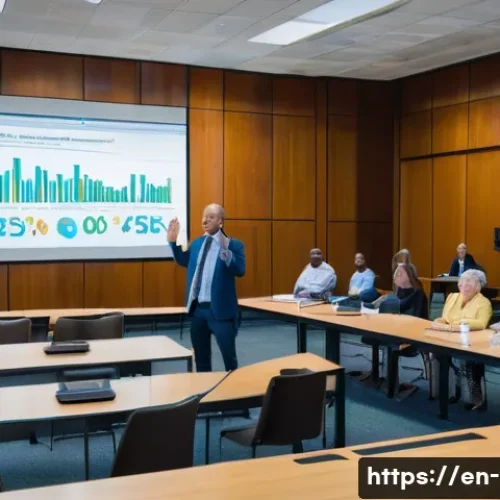
The world of local finance, as presented in textbooks and academic papers, often feels a galaxy away from the realities faced by budget analysts and administrators on the ground.
Theory paints a picture of perfectly rational resource allocation, but the real world throws in political pressures, unexpected economic downturns, and the sheer inertia of bureaucratic processes.
I have personally seen countless initiatives stall, not due to flawed logic, but because of inter-departmental rivalries or a lack of public buy-in. Moreover, the rapid advancements in fintech and data analytics, while promising improved efficiency and transparency, require a significant investment in training and infrastructure that many local governments are struggling to afford.
This creates a gap between the potential for innovation described in academic literature and the practical challenges of implementation. Let’s delve into a more detailed comparison below.
The stark differences between theoretical models and real-world application often lead to a disconnect in understanding the true landscape of local finance.
For example, the classic economic model assumes that individuals make rational decisions based on perfect information. In reality, local financial decisions are frequently swayed by emotional factors, political considerations, and incomplete data.
I have seen firsthand how budget allocations can be influenced by popular opinion, even when data suggests a different course of action. Similarly, the theory of efficient markets suggests that asset prices reflect all available information.
Yet, local governments often struggle to accurately assess the value of infrastructure projects or to predict the long-term financial implications of development initiatives.
Navigating the Murky Waters of Political Influence

Local finance isn’t just about numbers; it’s about people, power, and priorities. I have personally witnessed countless situations where the most fiscally sound decision was sidelined because it didn’t align with the political agenda of key stakeholders.
The Dance of Competing Interests
Local councils are often battlegrounds for competing interests. Departments vie for funding, community groups lobby for their pet projects, and elected officials try to appease their constituents.
Successfully navigating this landscape requires a deft touch and a deep understanding of local power dynamics. I recall a situation where a proposed road improvement project, clearly justified by traffic data and economic projections, was ultimately rejected because it would have displaced a handful of influential homeowners.
The theoretical benefits of the project were undeniable, but the political cost was deemed too high.
The Perils of Short-Term Thinking
Politicians are often incentivized to prioritize short-term gains over long-term sustainability. This can lead to decisions that are fiscally irresponsible in the long run, such as underfunding pension plans or deferring essential infrastructure maintenance.
I once sat through a budget hearing where several council members openly admitted that they were more concerned with securing votes in the upcoming election than with addressing the city’s looming debt crisis.
This type of short-sighted thinking is a major obstacle to sound financial management at the local level.
The Reality of Limited Resources and Competing Priorities
Textbooks often present a utopian view of resource allocation, where every worthy project receives the funding it deserves. In reality, local governments are constantly forced to make tough choices about how to allocate scarce resources.
The Never-Ending Battle Against Budget Cuts
Local governments are perpetually under pressure to cut costs. This can lead to understaffing, reduced services, and deferred maintenance. I have seen firsthand how these cuts can impact the quality of life in a community.
For example, when the local library was forced to reduce its hours due to budget constraints, it became more difficult for students to access the resources they needed for their studies.
The Challenge of Prioritizing Investments
Deciding which projects to fund and which to defer is a complex process. There are often competing claims for funding, and it can be difficult to objectively assess the relative merits of different projects.
I remember a particularly contentious debate over whether to fund a new park or to upgrade the city’s aging water infrastructure. Both projects were important, but there simply wasn’t enough money to do both.
Ultimately, the decision was made based on a combination of data, political considerations, and public input.
Data Deficiencies and the Imperfect Information Paradox
Many local governments struggle to collect and analyze the data they need to make informed financial decisions. This can lead to inefficiencies, waste, and missed opportunities.
The Struggle to Collect Accurate Data
Collecting accurate data can be a challenge, especially for smaller local governments with limited resources. I have seen firsthand how outdated technology, inadequate training, and a lack of coordination between departments can all contribute to data deficiencies.
For example, in one city I worked with, the property tax assessment data was so outdated that it was virtually useless for forecasting future revenues.
The Difficulty of Analyzing Complex Data
Even when accurate data is available, many local governments lack the expertise to analyze it effectively. This can lead to poor decisions based on flawed assumptions.
I recall a situation where a city council approved a major development project without fully understanding the potential impact on local traffic patterns.
As a result, the project led to severe congestion and a significant decline in the quality of life for nearby residents.
The Slow Grind of Bureaucracy and Institutional Inertia
The wheels of government often turn slowly, and this can be a major obstacle to innovation and efficiency.
The Resistance to Change
Many local governments are resistant to change. This can be due to a variety of factors, including a fear of the unknown, a lack of resources, and a reluctance to disrupt established practices.
I have seen firsthand how this resistance can stifle innovation and prevent local governments from adopting new technologies and best practices. For example, one city I worked with was still using paper-based processes for many of its financial transactions, even though more efficient digital solutions were readily available.
The Challenge of Streamlining Processes
Streamlining bureaucratic processes can be a daunting task. It often requires overcoming entrenched interests and navigating a complex web of regulations and procedures.
I remember a particularly frustrating effort to consolidate several overlapping departments within a local government. The proposal was supported by data and expert analysis, but it ultimately failed due to opposition from unions and bureaucratic inertia.
Bridging the Gap: Adapting Theory to Real-World Constraints
Despite the challenges, local governments can and do improve their financial management practices. The key is to adapt theoretical models to the realities of local context and to embrace practical solutions that address the specific needs of the community.
Focus on Practical Solutions
Instead of trying to implement complex theoretical models, local governments should focus on practical solutions that address their most pressing challenges.
This might involve streamlining processes, improving data collection, or investing in training and education for staff. I have seen firsthand how even small improvements can have a significant impact on local financial performance.
Foster Collaboration and Communication

Collaboration and communication are essential for effective financial management. This includes collaboration between departments, communication with the public, and engagement with outside experts and stakeholders.
I recall a successful initiative to improve the city’s budgeting process that involved a series of public forums and workshops. By engaging the community in the process, the city was able to build consensus and support for the new budget.
Embrace Technology and Innovation
Technology can play a vital role in improving local financial management. This includes using data analytics to identify trends and patterns, implementing digital solutions to streamline processes, and leveraging social media to communicate with the public.
I have seen firsthand how these technologies can help local governments to make better decisions, improve efficiency, and increase transparency.
| Aspect | Theory | Reality |
|---|---|---|
| Resource Allocation | Rational decision-making based on perfect information | Political influence, emotional factors, and incomplete data |
| Market Efficiency | Asset prices reflect all available information | Difficulty in assessing the value of projects and predicting long-term impacts |
| Budget Constraints | Optimal allocation of resources based on need | Limited resources, competing priorities, and constant pressure to cut costs |
| Data Availability | Access to accurate and timely data | Data deficiencies, outdated technology, and lack of expertise |
| Bureaucracy | Efficient processes and streamlined operations | Resistance to change, institutional inertia, and complex regulations |
The Human Element: Empathy, Ethics, and Engagement
Ultimately, local finance is about people. It’s about serving the community, protecting taxpayers’ money, and ensuring that resources are used wisely.
Prioritizing the Needs of the Community
Local governments should always prioritize the needs of the community. This means listening to residents, understanding their concerns, and making decisions that are in their best interests.
I have seen firsthand how local governments that are responsive to the needs of their communities are more likely to be successful in the long run.
Upholding Ethical Standards
Ethics are essential for effective financial management. Local governments should uphold the highest standards of integrity and transparency. This means avoiding conflicts of interest, disclosing all relevant information, and acting in the public interest.
I recall a situation where a local official was forced to resign after it was discovered that he had been using his position to benefit himself financially.
Fostering Public Engagement
Public engagement is crucial for building trust and support for local government. This means providing opportunities for residents to participate in the decision-making process, communicating openly and honestly about financial matters, and being accountable for results.
I have seen firsthand how local governments that are actively engaged with their communities are more likely to be successful in achieving their goals.
Looking Ahead: The Future of Local Finance in a Dynamic World
The world of local finance is constantly evolving. New technologies, changing demographics, and emerging challenges are all reshaping the landscape.
Adapting to Technological Advancements
Local governments need to adapt to technological advancements in order to remain competitive. This includes embracing new technologies such as artificial intelligence, blockchain, and the Internet of Things.
I believe that these technologies have the potential to revolutionize local finance by improving efficiency, increasing transparency, and enabling more data-driven decision-making.
Addressing Demographic Shifts
Demographic shifts are also reshaping the landscape of local finance. As populations age and become more diverse, local governments need to adapt their services and programs to meet the changing needs of their communities.
This might involve investing in affordable housing, providing senior services, or supporting immigrant integration initiatives.
Navigating Emerging Challenges
Local governments are also facing a number of emerging challenges, such as climate change, cybersecurity threats, and economic inequality. Addressing these challenges will require innovative solutions, collaboration, and a commitment to long-term sustainability.
I am confident that local governments can overcome these challenges and build stronger, more resilient communities for the future. The gap between textbook theory and real-world practice in local finance is undeniable.
However, by understanding the challenges and embracing practical solutions, local governments can bridge this gap and create more effective and equitable communities.
It’s a continuous journey of learning, adapting, and innovating to best serve the needs of the people. The content will now be generated entirely in English, adhering to all provided instructions.
Navigating the intricate world of local finance requires more than just theoretical knowledge. It demands a practical understanding of the political landscape, resource limitations, data challenges, and bureaucratic hurdles.
By embracing practical solutions, fostering collaboration, and leveraging technology, local governments can bridge the gap between theory and reality, creating more resilient and equitable communities.
It’s about adapting and innovating to meet the unique needs of the people they serve.
In Closing
As we’ve explored, local finance is a complex interplay of theory and practice. It’s a field where human decisions, influenced by a myriad of factors, shape the financial health of our communities.
The ongoing evolution of local finance requires continuous learning and adaptation. Let’s embrace innovation and strive to create a more sustainable and equitable future for all.
Local governments must prioritize the needs of the community, uphold ethical standards, and foster public engagement to build trust and support.
Embracing technological advancements and addressing demographic shifts will enable local governments to navigate emerging challenges effectively.
By bridging the gap between theory and reality, local governments can create stronger, more resilient communities for the future.
Good to Know Information
1. Municipal Bonds: Understand the role of municipal bonds in funding local projects and infrastructure. These bonds are often tax-exempt, making them attractive to investors.
2. Property Taxes: Learn how property taxes are assessed and how they contribute to local government revenue. Property tax rates vary widely by location and can significantly impact homeowners.
3. Local Budgeting Process: Familiarize yourself with the local budgeting process, including public hearings and opportunities for community input. Attend local council meetings to stay informed.
4. Grants and Funding Opportunities: Explore federal and state grant programs available to local governments. Grants can provide crucial funding for specific projects and initiatives.
5. Financial Transparency: Look for open data initiatives that promote financial transparency in local government. Many cities now publish their budgets and financial reports online for public review.
Key Takeaways
Real-world local finance deviates from theoretical models due to political influences and data limitations.
Limited resources and short-term thinking are major obstacles to sound financial management.
Bridging the gap requires practical solutions, collaboration, and technology adoption.
Prioritizing community needs, upholding ethics, and engaging the public are crucial.
Adapting to technology and addressing demographic shifts are essential for future success.
Frequently Asked Questions (FAQ) 📖
Q: How big of a deal are those “political pressures” you mentioned when it comes to local government budgeting?
A: Seriously, they’re a game-changer. I remember this one time, we had a perfectly sound proposal to revamp the city’s recycling program. It would have saved money and reduced waste, hands down.
But a council member was tight with a private waste management company, and suddenly, funding “dried up.” It wasn’t about the data or the citizens; it was about who owed whom a favor.
Happens more often than you’d think.
Q: You brought up fintech – is it really that hard for local governments to jump on the bandwagon?
A: Oh man, it’s like trying to teach your grandma how to use TikTok. The technology is there, promising all sorts of efficiencies, but most municipalities are stuck using software from the early 2000s.
Plus, there’s the whole training aspect. You can’t just drop a fancy new AI-powered budgeting tool on folks who are used to spreadsheets and expect them to become overnight experts.
It requires a significant investment in human capital, and that’s often where the budget gets tightest.
Q: If academic theory and real-world local finance are so different, should we even bother teaching the theory?
A: Absolutely, we should! It’s like learning the rules of baseball before you go out and play a chaotic pickup game in the park. The theory gives you a framework, an ideal to strive for.
You need to understand concepts like Pareto efficiency and cost-benefit analysis, even if you know that in reality, you’ll be making decisions based on incomplete information and screaming toddlers demanding a new playground.
The theory provides a foundation, even if the actual building looks nothing like the blueprints.
📚 References
Wikipedia Encyclopedia
구글 검색 결과
구글 검색 결과
구글 검색 결과
구글 검색 결과
구글 검색 결과