Unlocking Growth: Essential Insights from Local Government Finance Policy Case Studies

webmaster

지방재정 정책 사례 리뷰 - Here are three detailed image generation prompts in English, designed to be suitable for a 15-year-o...

Have you ever stopped to think about how your local council decides where the money goes? It’s more than just potholes and park benches; local government finance policies are the invisible threads weaving together the fabric of our communities.

From funding our schools to building resilient infrastructure and supporting local businesses, these decisions profoundly impact our daily lives. I’ve found that understanding these policies isn’t just for politicians or economists – it’s crucial for every citizen who cares about their neighborhood’s future.

The innovative ways some towns are tackling modern challenges, from climate change to housing crises, are truly inspiring. Let’s dive in and explore some fascinating real-world examples together!

Funding Our Communities: Where Does the Money Truly Go?

지방재정 정책 사례 리뷰 - Here are three detailed image generation prompts in English, designed to be suitable for a 15-year-o...

Have you ever stared at your property tax bill, or maybe pondered where the sales tax you pay at the grocery store actually ends up? It’s a question that’s crossed my mind more times than I can count, especially when I see a new community center being built or a park getting a much-needed facelift.

Understanding the journey of these funds, from our pockets to public services, really helps connect the dots. Local councils, whether they’re city, county, or even smaller district governments, are juggling a lot.

They’re responsible for a staggering array of services that genuinely impact our everyday lives, often more directly than federal or state initiatives.

Think about it: the quality of your kid’s school, the safety of your streets, how quickly a pothole gets fixed, or even the availability of local libraries – these are all funded by the decisions made right in your town hall.

I’ve found that when you start peeling back the layers, you realize just how intricate and vital these local financial structures are. It’s not just about collecting money; it’s about strategically allocating it to foster growth, maintain essential services, and improve the overall quality of life for everyone.

I often compare it to managing a household budget, but on a massive scale, with far more stakeholders and regulations. Each dollar collected has a purpose, from keeping the lights on at public buildings to investing in long-term community projects.

Demystifying Local Revenue Streams

So, what are these primary sources that keep the wheels turning? Generally speaking, the big three for local governments in places like the United States and the UK are property taxes, sales taxes (or Value Added Tax in some regions), and various fees and charges.

Property taxes, for instance, are often the bedrock, providing a stable and predictable income stream directly tied to local real estate values. I remember when I first bought my house, the property tax seemed like a mystery, but after attending a few local budget meetings, I understood its direct correlation to school funding and road maintenance.

Sales taxes, on the other hand, are a bit more flexible, fluctuating with consumer spending, which can be both a blessing and a challenge for budget planners.

Then there are utility fees, licensing fees, permits for construction, and even revenue from local enterprises or investments. Each stream has its own pros and cons, and the mix often reflects the unique economic character of a community.

A bustling urban center might rely heavily on sales tax, while a quiet residential suburb could lean more on property taxes.

Understanding Expenditure Priorities

Once the money is in, the real strategic work begins: deciding where it goes. And trust me, these aren’t easy decisions. Local councils have to weigh competing demands, often with limited resources.

I’ve personally seen heated debates during public hearings about allocating funds between, say, upgrading the local sports complex versus increasing funding for mental health services.

It’s a constant balancing act. Typically, major expenditure categories include public safety (police, fire, emergency services), education, public works (roads, sanitation, utilities), parks and recreation, and general government administration.

Increasingly, however, I’ve noticed a significant push towards areas like environmental initiatives, affordable housing projects, and economic development incentives to attract businesses.

The priorities often reflect the immediate needs and long-term vision of a community. What’s vital for a rapidly growing town with young families might be different from an older, more established city grappling with aging infrastructure.

It’s a dynamic process, constantly adapting to new challenges and opportunities.

The Power of Local Taxes: More Than Just a Bill

For many of us, taxes can feel like an abstract deduction from our paycheck or an annual bill that just appears. But when you look at local taxes, they take on a much more tangible form.

I often think of them as our collective investment in the place we call home. It’s not just money disappearing; it’s money directly funding the things we see and use every single day.

From the streetlights that guide us home to the libraries where we borrow books, and even the local health services that keep us well, these are all beneficiaries of our local tax contributions.

I used to grumble about my council tax, but then I started actively tracking where it went through my local authority’s annual report, and it really shifted my perspective.

It became less of a burden and more of a partnership with my community. Local taxes are the backbone of self-governance, allowing communities to tailor services to their specific needs rather than relying solely on broader state or national mandates, which might not always fit perfectly.

Property Taxes: The Cornerstone of Community Funding

In many English-speaking countries, property tax (often called Council Tax in the UK or property tax in the US) is a foundational element of local government finance.

It’s calculated based on the value of your home or property, and it provides a relatively stable and predictable source of income. What I find fascinating is how directly tied it is to local services.

For example, a significant portion of property tax revenue often goes directly to funding public schools. I remember a time when our local school district was pushing for a levy increase, and the entire community engaged in discussions about its impact on educational quality versus the tax burden on residents.

It highlighted for me how directly our homes are connected to the resources available to our children. These funds also support essential municipal services like police and fire departments, street maintenance, and parks.

The stability of property tax revenue allows local governments to plan long-term projects and ensure consistent service delivery, which is something I deeply appreciate as a resident.

It’s not just a charge; it’s an ongoing contribution to the foundational services that make a neighborhood livable and desirable.

Sales Taxes and Beyond: Diverse Revenue Strategies

While property taxes are crucial, local governments rarely rely on a single source. Sales taxes, business rates, and various fees play equally important roles, especially in more urban or commercially vibrant areas.

I’ve noticed that in towns with a thriving retail sector, sales tax revenue can be a significant boost to the local budget, funding everything from public transit improvements to cultural events.

However, these revenues can also be more volatile, as they’re sensitive to economic downturns or shifts in consumer spending habits. Beyond these, there are other creative ways local authorities generate income.

Think about parking meter revenues, fines for infractions, permits for new construction, or even charges for specific services like waste collection or water usage.

Some innovative towns are even exploring public-private partnerships, leveraging private investment for public infrastructure projects, or developing their own municipal enterprises.

I once saw a small city invest in its own fiber optic network, generating revenue while also providing high-speed internet to its residents – a fantastic example of thinking outside the box!

It’s all about creating a diversified portfolio of income sources to ensure resilience and adaptability.

Advertisement

Innovative Approaches: Crafting Solutions for Modern Challenges

It’s easy to think of local government finance as a rigid, unchanging system, but that couldn’t be further from the truth. In my experience, communities are constantly adapting, innovating, and finding new ways to fund crucial initiatives, especially when faced with pressing modern challenges.

From the looming threat of climate change to the persistent housing crisis and the need for inclusive economic growth, local councils are often on the front lines, devising creative financial solutions.

I’ve been incredibly impressed by how some towns, despite limited resources, are piecing together funding from grants, strategic partnerships, and even novel revenue streams to tackle these complex issues head-on.

It’s less about a one-size-fits-all approach and more about tailored strategies that truly reflect a community’s unique character and needs. This agility and willingness to experiment are what truly set progressive local governments apart.

Tackling Climate Change Through Green Bonds and Grants

Climate change is no longer a distant threat; it’s a daily reality for many communities, manifesting in extreme weather, rising sea levels, or increased heat.

I’ve seen firsthand how coastal towns are wrestling with the financial burden of protecting their infrastructure from erosion, and how inland cities are investing in urban greening to combat heat islands.

To fund these critical climate resilience projects, many local governments are turning to innovative financial instruments. Green bonds, for example, are becoming increasingly popular.

These are municipal bonds specifically issued to finance environmentally friendly projects, such as renewable energy installations, sustainable transportation, or green infrastructure.

I know of one city that successfully issued a green bond to fund a massive stormwater management project, significantly reducing urban flooding and creating new green spaces.

Beyond bonds, securing state and federal grants for environmental initiatives is another vital strategy. These grants can provide much-needed capital for everything from electric vehicle charging stations to wetland restoration.

It’s about leveraging every possible resource to safeguard our planet, starting right in our backyards.

Addressing Housing Crises with Creative Funding Models

The affordable housing crisis is a national challenge that hits hardest at the local level. Providing safe, decent, and affordable housing for all residents is a moral imperative, but it comes with significant financial hurdles.

I’ve spent countless hours researching how different municipalities are tackling this, and the ingenuity is truly inspiring. Many are utilizing Inclusionary Zoning policies, which require developers to set aside a certain percentage of new units as affordable housing in exchange for other benefits, like density bonuses.

This doesn’t directly cost the local government cash but leverages private development for public good. Another powerful tool I’ve observed is the establishment of affordable housing trust funds, often capitalized through a dedicated portion of property taxes, real estate transfer fees, or even hotel occupancy taxes.

These funds then provide grants or low-interest loans for the development or preservation of affordable housing projects. Some forward-thinking councils are even converting underutilized public buildings into affordable housing, or partnering with non-profit organizations to expand their housing stock.

It’s a multi-faceted problem that demands equally diverse and creative financial solutions.

Community Engagement: Making Your Voice Heard in Budget Decisions

Have you ever felt like local government decisions happen behind closed doors, far removed from the average citizen? I certainly have. It can be frustrating when you care deeply about your community but feel disconnected from the budgeting process that shapes its future.

However, what I’ve learned is that most local governments *want* citizen input, and there are increasingly proactive ways for us to get involved. The decisions made about local finance aren’t just for elected officials or city managers; they are fundamentally about what we, the residents, value and what kind of community we want to live in.

Our active participation is crucial for ensuring that budgets truly reflect the diverse needs and aspirations of the entire community, not just a vocal few.

I genuinely believe that an engaged citizenry leads to more transparent, equitable, and effective financial governance.

Participatory Budgeting: A Direct Voice in Funding

One of the most exciting developments I’ve seen in local finance is the rise of participatory budgeting. This is where a portion of a public budget is directly allocated by community members themselves.

Imagine being able to propose projects, discuss their merits with your neighbors, and then vote on which ones get funded! I first encountered this in a smaller town near me, where residents voted on everything from new park equipment to funding for a local arts festival.

It wasn’t a huge sum of money, but the impact on community morale and engagement was enormous. It transformed abstract budget discussions into concrete, tangible decisions that everyone could understand and influence.

It’s a powerful tool for empowering residents, fostering civic responsibility, and ensuring that funds are allocated to projects that truly resonate with local needs and priorities.

While it requires significant effort from the local authority to organize and facilitate, the benefits in terms of transparency, trust, and community ownership are invaluable.

Public Hearings and Digital Feedback Mechanisms

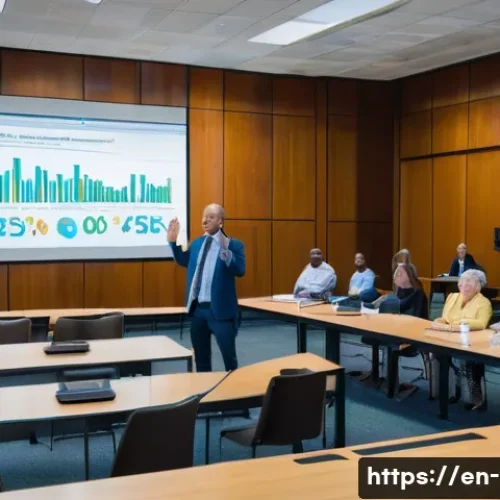
Beyond participatory budgeting, there are more traditional, yet still vital, avenues for citizen input. Public hearings during the annual budget cycle are a standard practice, and while they might sometimes feel formal, they are genuinely opportunities to voice your concerns or support for specific allocations.

I’ve often seen passionate residents make a real difference by presenting well-researched arguments about specific budget line items. Many local governments are also embracing digital tools to solicit feedback.

Online surveys, dedicated budget websites with interactive dashboards, and even social media campaigns are becoming common ways for councils to reach a broader audience and gather input from residents who might not be able to attend physical meetings.

I find these digital platforms incredibly convenient, allowing me to review proposed budgets and submit my thoughts from the comfort of my home. It’s all about making the process as accessible and transparent as possible, ensuring that every citizen has a chance to contribute to the financial well-being of their community.

Advertisement

Infrastructure Investment: Building for Tomorrow, Today

When we talk about local government finance, one of the biggest and most critical areas is infrastructure. Think about it: the roads we drive on, the bridges we cross, the water pipes that bring clean drinking water to our homes, and the sewage systems that take waste away.

These aren’t just conveniences; they are the fundamental backbone of our modern lives and economy. Yet, maintaining and upgrading this infrastructure is incredibly expensive, and often, the costs are colossal.

I often wonder how local authorities manage to balance the immediate needs of residents with the long-term vision required for robust infrastructure. It’s a constant challenge, especially when much of our existing infrastructure dates back decades, even a century in some places.

Investing in infrastructure isn’t just about fixing what’s broken; it’s about building resilience, supporting economic growth, and preparing our communities for the future.

Funding Road Repairs and Public Transit Upgrades

For many communities, roads are the most visible and frequently used piece of infrastructure. Potholes, crumbling asphalt, and traffic congestion are daily frustrations that directly impact our quality of life and local commerce.

Funding road repairs and upgrades is a continuous battle for local councils, often relying on a combination of local taxes, state grants, and specific vehicle-related fees.

I remember a particularly harsh winter that wreaked havoc on our local roads, and the ensuing debate over how to fund the extensive repairs highlighted just how stretched these budgets can be.

Beyond roads, public transit systems – buses, light rail, subways – are vital arteries for urban areas. Funding these systems often involves a complex mix of fares, local sales taxes, and state or federal subsidies.

Investing in efficient and accessible public transit not only reduces traffic and pollution but also connects people to jobs, education, and essential services, fostering a more equitable and sustainable community.

It’s a massive undertaking, but the benefits ripple through every aspect of local life.

Water, Waste, and Digital Infrastructure

지방재정 정책 사례 리뷰 - Prompt 1: The Heart of the Community: Local Services in Action**

But infrastructure extends far beyond roads and transit. The invisible networks beneath our streets are just as, if not more, critical. Our water supply and wastewater treatment systems are public health cornerstones, yet they often require massive capital investments for maintenance and modernization.

Aging pipes, treatment plant upgrades, and ensuring access to clean water for everyone are huge financial commitments. I’ve seen communities issue municipal bonds specifically to fund these types of water infrastructure projects.

Similarly, waste management, from curbside collection to recycling facilities, also requires substantial funding and efficient management. And then there’s the emerging frontier of digital infrastructure: ensuring reliable, high-speed internet access for all residents and businesses.

This is becoming increasingly recognized as an essential utility, vital for education, work, and economic competitiveness. Local governments are exploring public-private partnerships and municipal broadband initiatives to bridge the digital divide.

It’s a holistic view of infrastructure, where every piece plays a crucial role in our collective well-being.

Economic Development: Supporting Local Businesses to Thrive

Local governments play a much larger role in economic development than many people realize. It’s not just about attracting big corporations; it’s about fostering an environment where existing small businesses can flourish, new entrepreneurs can take root, and job opportunities abound for residents.

I’ve always been fascinated by how different towns approach this, from revitalizing historic downtowns to investing in tech incubators. The decisions local councils make regarding business incentives, zoning, and infrastructure can profoundly impact the economic vitality of an entire region.

When local businesses thrive, it creates a virtuous cycle: more jobs, increased tax revenue, and a stronger, more vibrant community. It’s about building a robust and resilient local economy that can withstand global shifts and provide opportunities for everyone.

Incentives and Support for Small Businesses

Small businesses are often the lifeblood of a local economy, providing unique character and countless jobs. I’ve seen firsthand how a supportive local government can make all the difference for a budding entrepreneur.

Many councils offer a range of incentives and support programs to help small businesses succeed. This might include tax abatements for new businesses, grants for façade improvements in commercial districts, or low-interest loans for startups.

Some towns have dedicated economic development departments that provide free business counseling, help with navigating regulations, or connect entrepreneurs with local resources.

I recall a program in my area where the city provided matching grants for local eateries to upgrade their outdoor dining spaces, which was a huge boost during challenging times.

It’s about creating an ecosystem where small businesses feel valued and empowered, recognizing that their success is intricately linked to the community’s overall prosperity.

Attracting and Retaining Key Industries

While nurturing small businesses is vital, many local governments also strategically work to attract and retain larger industries that can provide stable employment and significant tax revenue.

This often involves careful planning, targeted marketing, and sometimes, competitive incentive packages. I’ve seen towns invest heavily in improving their transportation infrastructure or developing shovel-ready industrial parks to appeal to manufacturers or logistics companies.

For example, a city I know offered significant property tax breaks to a large tech firm willing to relocate, which brought thousands of high-paying jobs to the area.

However, it’s a delicate balance; councils must weigh the economic benefits against potential environmental impacts or increased strain on public services.

Beyond attracting new businesses, retaining existing ones is equally important. This means maintaining open lines of communication, addressing their needs, and ensuring a favorable business climate.

Ultimately, the goal is to cultivate a diverse and resilient economic base that provides opportunities for all residents.

Revenue Source Description Typical Allocation Focus
Property Tax Tax based on the assessed value of real estate (land and buildings). Schools, public safety (police, fire), road maintenance, general municipal services.
Sales Tax (or VAT) Tax on the sale of goods and services. Public transit, economic development, cultural programs, general fund.
Business Rates Tax on non-domestic properties (commercial and industrial). Local council services, infrastructure projects, business support.
Fees & Charges Revenue from specific services (e.g., utility bills, permits, licenses, parking). Direct funding for the service provided (e.g., water/sewage, building inspections).
Grants Funds received from state or national governments for specific purposes. Education, environmental initiatives, housing, social services, specific infrastructure.
Advertisement

Navigating Fiscal Challenges: When Budgets Get Tight

Even with the most meticulous planning and innovative strategies, local governments inevitably face fiscal challenges. Economic downturns, unexpected emergencies, shifts in population, or changes in state and federal funding can all put immense pressure on local budgets.

I’ve seen how quickly a seemingly stable financial situation can be upended, forcing difficult conversations and even tougher decisions. It’s during these times that the resilience and adaptability of local finance policies are truly tested.

Balancing the need to maintain essential services with the reality of shrinking revenues or rising costs requires not just financial acumen, but also strong leadership and a commitment to transparency.

It’s a delicate dance, ensuring the community continues to function effectively without overburdening residents or compromising long-term sustainability.

Budget Cuts and Service Prioritization

When revenues shrink or costs unexpectedly soar, local councils often find themselves in the unenviable position of having to make budget cuts. This is never an easy process, as every service, every program, has a constituency and a value to the community.

I’ve sat through community meetings where residents passionately advocated for retaining specific library hours, or a particular parks program, knowing that cuts elsewhere were inevitable.

During these times, prioritization becomes paramount. Councils must identify what services are truly essential for public health and safety versus those that are desirable but perhaps not critical.

This might involve reducing administrative overhead, deferring non-essential capital projects, or even, in severe cases, reducing staff or scaling back certain services.

It’s a painstaking process that demands tough choices and clear communication with the public about why certain decisions are being made and what the potential impacts will be.

Seeking New Revenue and Efficiency Gains

Facing fiscal headwinds isn’t just about cutting back; it’s also about proactively seeking new revenue opportunities and finding ways to deliver services more efficiently.

I’ve seen many local governments get incredibly creative during lean times. This could involve exploring new local taxes or fees, though these are often politically challenging.

More commonly, councils look for efficiency gains: consolidating departments, adopting new technologies to streamline operations, or forming inter-municipal agreements to share services like waste collection or emergency dispatch, thereby reducing costs for all involved.

Some towns actively pursue public-private partnerships, leveraging private sector resources and expertise to deliver public projects. Others might review their asset portfolio, selling off underutilized public land or buildings to generate one-time revenue.

It’s a continuous quest for innovative solutions, ensuring that every dollar collected is used as effectively and impactively as possible, safeguarding the community’s financial future.

Planning for the Future: Long-Term Fiscal Health

For me, one of the most reassuring aspects of strong local governance is its focus on long-term fiscal health. It’s not just about getting through the current budget cycle; it’s about making decisions today that will benefit future generations.

This requires foresight, disciplined financial management, and a commitment to sustainable practices. I’ve always admired communities that take this long view, understanding that quick fixes can often lead to bigger problems down the road.

It means setting aside funds for future infrastructure needs, managing debt responsibly, and building up reserves for unexpected emergencies. Without this forward-thinking approach, a community can quickly find itself in a precarious financial position, unable to meet its obligations or invest in necessary growth.

Responsible Debt Management

Borrowing money is often a necessary part of local government finance, particularly for large capital projects like building a new school, expanding a hospital, or undertaking major infrastructure upgrades.

However, responsible debt management is absolutely critical. I’ve seen firsthand how an overreliance on borrowing, or taking on debt for operational expenses rather than long-term assets, can cripple a municipality’s finances.

Local councils typically issue municipal bonds to finance these projects, and maintaining a good credit rating is paramount, as it allows them to borrow at lower interest rates.

This means careful planning, ensuring that debt levels are sustainable relative to the local tax base and revenue streams. It also involves transparent reporting on existing debt and future borrowing plans, so residents understand the long-term commitments being made on their behalf.

It’s about leveraging future revenues for current needs, but doing so in a way that doesn’t burden future taxpayers unfairly.

Building Financial Reserves and Contingency Funds

Just like a well-managed household, a financially sound local government builds up savings. These financial reserves, often called “rainy day funds” or “contingency funds,” are crucial for weathering unexpected economic downturns, natural disasters, or other emergencies without having to immediately cut essential services or raise taxes dramatically.

I often think of them as an insurance policy for the community. I saw the value of a strong reserve fund when a major storm hit our area a few years ago; the local council was able to quickly allocate funds for clean-up and recovery without disrupting other vital services, all because they had prudently built up their reserves over time.

These funds provide financial flexibility and stability, demonstrating good stewardship of taxpayer money. They’re a testament to a council’s commitment to ensuring long-term stability and resilience, providing a buffer against the unforeseen challenges that inevitably arise.

Advertisement

글을 마치며

As we’ve journeyed through the intricate world of local government finance, I hope you’ve gained a deeper appreciation for where our hard-earned money really goes. It’s far more than just line items on a budget; it’s the lifeblood of our communities, fueling everything from the schools our children attend to the parks where we make memories. Understanding these mechanisms has truly transformed my own perspective, turning what once felt like a detached process into a personal investment in the place I call home. It’s a testament to how our collective contributions build the very fabric of our everyday lives.

알아두면 쓸모 있는 정보

1. Check your local council’s website for annual budget reports. Many councils provide detailed breakdowns of revenue and expenditure, often with interactive dashboards that are surprisingly user-friendly. It’s a fantastic way to see the numbers laid out clearly and understand exactly where your taxes are going. Trust me, it makes a huge difference to your understanding.

2. Attend a public budget hearing or council meeting. While they can sometimes be a bit dry, these meetings are your direct opportunity to hear discussions, ask questions, and even voice your opinion on how funds should be allocated. Your input genuinely matters and can influence real decisions, so don’t underestimate your voice!

3. Research local grant programs. If you’re involved with a community group or a small business, your local government might offer grants or support programs that could help fund initiatives, so it’s always worth checking what’s available. You’d be surprised at the resources out there for local projects and entrepreneurs.

4. Understand property tax appeals. If you believe your property assessment is too high, most local authorities have a process for appealing it, which could potentially lower your annual tax bill. Do some digging on your local assessor’s office website; a little research can save you a good chunk of change!

5. Look into participatory budgeting initiatives in your area. Some forward-thinking towns are allowing residents to directly vote on how a portion of the budget is spent, giving you a direct say in local projects. It’s a powerful, tangible way to get involved and see your community’s priorities reflected in spending.

Advertisement

중요 사항 정리

So, what’s the big picture here? Firstly, remember that local taxes and fees aren’t just arbitrary charges; they are the fundamental investment we all make into the daily services and long-term vitality of our neighborhoods. It’s literally the fuel that keeps our communities running smoothly and growing. Secondly, the decisions about how this money is spent are incredibly complex, constantly balancing immediate needs with future growth, and often requiring innovative solutions, especially in challenging times. This isn’t just about spreadsheets; it’s about real people and real impact. What I’ve personally taken away is the immense power of community engagement – your voice, your questions, and your participation truly shape these financial decisions. Don’t ever think your opinion doesn’t count! Lastly, a financially healthy local government is one that plans meticulously for the future, manages debt wisely, and builds strong reserves. It’s a continuous, collaborative effort that ultimately determines the quality of life, the opportunities, and the resilience of the place we call home. Keep an eye on your local council’s plans; it’s genuinely fascinating to see it all unfold and play your part in it.

Frequently Asked Questions (FAQ) 📖

Q: Honestly, why should I, a busy person, bother understanding local government finance?

A: You know, it’s a question I hear all the time, and believe me, it’s a fair one! We’re all juggling so much, and local council budgets can feel like a really dry topic.
But here’s the thing I’ve realized, and it’s genuinely changed my perspective: understanding where your local government gets and spends its money is like having a secret superpower for your community.
It’s not just about some abstract numbers; it’s about the quality of the parks your kids play in, the responsiveness of your local emergency services, the very roads you drive on every single day.
Seriously, every decision, from funding our local schools to building resilient infrastructure, directly weaves into the fabric of our daily lives. When you understand these policies, you’re empowered.
You can ask smarter questions, hold officials accountable, and even push for the changes you want to see in your neighborhood. I’ve found that it helps me feel more connected to my community, and it’s the best way to ensure your voice, and your tax dollars, are actually making a difference for the future of your town.
It’s not just for economists; it’s for all of us who care about where we live!

Q: Where does my local council really spend my hard-earned money? It’s more than just roads, right?

A: Absolutely, it’s so much more than just roads and park benches, though those are definitely important! When you peek behind the curtain of local government finance, you discover just how many critical services and projects your local council is responsible for.
From my experience, the biggest chunks often go into essential services that we often take for granted. Think about our excellent public education system, for instance, or ensuring our local libraries are stocked and vibrant.
A significant portion also funds crucial infrastructure – not just fixing potholes, but also maintaining our water and wastewater systems, and even investing in public transportation to keep our towns moving efficiently.
And let’s not forget public safety, from our police and fire departments to vital community support programs. Beyond these, councils are increasingly investing in social services, environmental protection, and even economic development initiatives to support local businesses and create jobs.
It’s a complex web, but ultimately, these investments are designed to foster a healthy, safe, and thriving environment for everyone who calls the area home.

Q: You talked about innovative solutions. Can you give me a cool, real-world example of how a local government is creatively tackling a big challenge like climate change or housing with its finances?

A: Oh, I love this question! This is where local governments really get to shine and show their ingenuity. One of the most fascinating innovations I’ve seen making a huge impact, especially in tackling climate change, is the rise of “Green Bonds.” Think of it like a regular bond, where investors lend money to the government, but with a super cool twist: the funds raised are specifically earmarked for environmentally friendly projects.
For example, cities like Toronto and San Francisco have successfully issued Green Bonds to finance their climate goals. Toronto, for instance, has used funds from its Green Debenture Program to achieve net-zero greenhouse gas emissions by 2040, investing in things like increasing renewable energy capacity, energy efficiency in buildings, and green infrastructure.
San Francisco has also used these bonds for water management projects, which is incredibly smart for building a water-resilient city. It’s not just big cities either; even states like Massachusetts and Washington have gotten on board, funding everything from clean public transportation to waste reduction and even habitat conservation.
What’s truly inspiring about Green Bonds is that they attract investors who are not only looking for a financial return but also want to make a positive environmental impact.
It’s a win-win: local governments get the capital they need for vital climate action, and citizens can see their money contributing to a greener, more sustainable future right in their own backyard.
It’s a brilliant example of how innovative finance can be a powerful tool for change!