7 Essential Tips for Mastering Local Government Budget Management Systems

webmaster

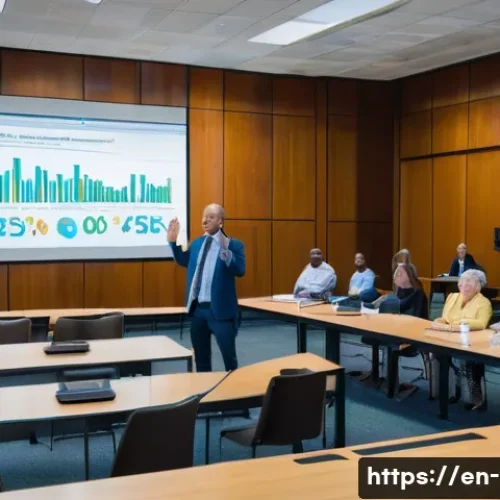
지방재정 운영 시스템 활용법 - A vibrant community town hall meeting in a modern municipal building, diverse group of citizens acti...

Managing local government finances efficiently is more important than ever as communities face growing demands and limited resources. A well-designed fiscal management system helps ensure transparency, accountability, and optimal use of public funds.

지방재정 운영 시스템 활용법 관련 이미지 1

By leveraging modern tools, municipalities can streamline budgeting, track expenditures, and improve decision-making processes. Whether you’re a public official or simply interested in how local budgets work, understanding these systems is key to grasping how your tax dollars are managed.

Let’s dive deeper and explore how these financial operations function in practice to empower better governance. Stay with me as we break it all down!

Building a Transparent Budgeting Framework

Engaging the Community in Budget Priorities

Getting citizens involved early on can transform how local governments approach budgeting. When residents understand where funds come from and where they’re going, it creates a sense of shared responsibility.

For example, many towns now hold open forums or use online surveys to gather input on spending priorities. This not only boosts transparency but also helps leaders identify community needs that might otherwise go unnoticed.

From my experience attending a few of these sessions, the lively discussions often reveal surprising priorities that reshape the final budget.

Leveraging Digital Tools for Clarity and Access

Modern budgeting software has made it easier than ever to present complex financial data in user-friendly formats. Interactive dashboards, real-time expenditure tracking, and downloadable reports empower both officials and residents to monitor how money is allocated and spent.

I’ve noticed that when cities adopt these tools, they often see fewer questions and complaints because people can self-serve information anytime. This convenience builds trust and saves hours of back-and-forth with finance departments.

Ensuring Accountability Through Regular Reporting

Transparent budgeting doesn’t end with setting the numbers. Routine financial reports, ideally published quarterly, hold departments accountable and keep the public informed.

These reports highlight variances, unexpected costs, or savings, allowing for timely course corrections. From my observation, municipalities that commit to this practice tend to avoid surprises during annual audits and maintain higher public confidence.

Advertisement

Streamlining Expenditure Monitoring and Control

Implementing Real-Time Expense Tracking

Tracking expenses as they happen is a game changer for local governments. Rather than waiting months for financial statements, officials can spot overspending early and adjust accordingly.

I’ve seen cities adopt cloud-based solutions that sync with procurement systems, automatically flagging unusual transactions. This proactive approach reduces waste and ensures funds are used as intended, which is a relief when budgets are tight.

Establishing Clear Spending Policies

Well-defined policies provide guardrails that prevent mismanagement and fraud. These include spending limits, approval hierarchies, and regular audits.

In my experience working alongside municipal finance teams, the presence of such rules reduces confusion and speeds up routine purchases. More importantly, it sets expectations that everyone must follow, fostering a culture of fiscal responsibility.

Training Staff for Financial Oversight

Even the best systems falter without knowledgeable people behind them. Investing in ongoing training ensures staff understand both the tools and the policies.

I’ve personally witnessed how workshops on budget software and fraud prevention can empower employees to catch errors early and make better decisions.

This human element is often overlooked but crucial for sustainable financial management.

Advertisement

Optimizing Revenue Collection and Forecasting

Utilizing Data Analytics for Revenue Projections

Predicting revenue streams accurately is essential for balanced budgets. Advanced data analytics allow governments to analyze trends, economic indicators, and tax collection patterns to forecast income more reliably.

I recall a case where a mid-sized city used these insights to anticipate a dip in sales tax revenue and adjusted spending plans months in advance, avoiding last-minute cuts.

Enhancing Tax Collection Efficiency

Streamlining tax collection through online portals and automated reminders improves compliance rates. From what I’ve seen, municipalities that offer easy payment options and clear guidance reduce delinquency and administrative burdens.

This, in turn, stabilizes cash flow and funds ongoing services without interruption.

Exploring Alternative Revenue Sources

Diversifying revenue beyond traditional taxes can relieve pressure on budgets. Local governments increasingly explore grants, public-private partnerships, and service fees.

I’ve found that proactive exploration of these avenues often leads to innovative projects that improve community services without raising taxes.

Advertisement

Integrating Performance Metrics with Financial Decisions

Linking Budget Allocations to Outcomes

Allocating funds based on measurable results promotes efficiency. Governments are adopting performance-based budgeting, where departments must justify spending through clear goals and outcomes.

From my perspective, this approach encourages innovation and accountability, ensuring every dollar drives tangible benefits.

Regularly Reviewing Financial and Program Performance

Continuous evaluation helps identify programs that deliver value and those that don’t. I’ve observed councils that conduct mid-year reviews adjust allocations dynamically, maximizing impact.

지방재정 운영 시스템 활용법 관련 이미지 2

This flexibility is vital when unexpected challenges arise, such as economic downturns or emergencies.

Communicating Results to Stakeholders

Sharing performance data with the public closes the loop on transparency. When residents see the connection between funding and community improvements, trust deepens.

I’ve attended town halls where clear performance reports sparked positive conversations and fostered collaboration.

Advertisement

Enhancing Collaboration Across Departments

Breaking Down Silos for Integrated Planning

Financial management improves when departments share information and align goals. I’ve worked with municipalities that implemented cross-departmental committees to coordinate budgeting, leading to more coherent and efficient resource use.

This teamwork often uncovers redundancies and creates opportunities for joint initiatives.

Using Shared Platforms for Communication

Collaborative software tools facilitate real-time updates and document sharing, reducing miscommunication. In practice, I’ve seen how cloud-based platforms keep everyone on the same page, speeding up approvals and reducing errors in financial data.

Encouraging Feedback and Continuous Improvement

Creating channels for staff to suggest improvements builds ownership and innovation. I recall a city that implemented a feedback portal where employees could report process bottlenecks anonymously, leading to several successful reforms in procurement and expense tracking.

Advertisement

Ensuring Compliance and Risk Management

Adhering to Legal and Regulatory Standards

Staying compliant with local, state, and federal financial regulations is non-negotiable. From my experience, investing in compliance training and audits prevents costly penalties and reputational damage.

Municipalities that integrate compliance into daily workflows run smoother operations and avoid surprises.

Identifying and Mitigating Financial Risks

Risk assessments help uncover vulnerabilities like revenue shortfalls or fraud risks. I’ve seen finance teams use scenario planning and internal controls to prepare for uncertainties.

This forward-thinking approach strengthens resilience and protects public resources.

Building Contingency Funds for Emergencies

Setting aside reserves cushions the impact of unforeseen events such as natural disasters or economic shocks. In my observations, communities with healthy contingency funds recover faster and maintain service levels during crises, which ultimately benefits residents most.

Financial Management Component Key Benefits Common Tools/Practices Real-World Example
Budget Transparency Builds trust, encourages participation Public forums, online dashboards City council open budget workshops
Expenditure Control Prevents overspending, fraud reduction Real-time tracking, spending policies Cloud-based procurement systems
Revenue Forecasting Improves planning accuracy Data analytics, tax portals Sales tax projection adjustments
Performance-Based Budgeting Ensures funds drive outcomes Outcome metrics, mid-year reviews Program funding tied to results
Interdepartmental Collaboration Enhances resource efficiency Cross-department committees, shared platforms Joint budgeting initiatives
Compliance and Risk Management Prevents penalties, strengthens resilience Audits, risk assessments, contingency funds Regular compliance training
Advertisement

글을 마치며

Building a transparent and efficient budgeting framework is essential for fostering trust and accountability within any community. By engaging citizens, leveraging technology, and promoting collaboration, local governments can make smarter financial decisions that truly reflect public needs. From my experience, the combination of clear policies and continuous communication transforms budgeting from a complex task into a shared mission. Ultimately, this approach not only safeguards public funds but also empowers residents to feel invested in their community’s future.

Advertisement

알아두면 쓸모 있는 정보

1. Early citizen involvement in budget discussions can reveal unexpected community priorities that improve funding decisions.

2. Digital tools like interactive dashboards and real-time tracking simplify complex data, enhancing transparency and reducing administrative workload.

3. Regular financial reporting, ideally quarterly, helps detect issues early and maintain public confidence through consistent updates.

4. Integrating performance metrics with budgeting ensures funds are allocated based on measurable outcomes, encouraging accountability.

5. Cross-departmental collaboration and shared communication platforms reduce redundancies and promote more efficient use of resources.

Advertisement

중요 사항 정리

Transparent budgeting requires active community engagement, clear spending policies, and the use of modern digital tools to make financial data accessible. Continuous monitoring through real-time expense tracking and regular reporting helps prevent overspending and builds trust. Accurate revenue forecasting supported by data analytics stabilizes financial planning, while linking budget allocations to performance outcomes drives efficiency. Lastly, fostering interdepartmental cooperation and ensuring compliance with legal standards are key to sustainable, risk-managed financial operations that serve public interests effectively.

Frequently Asked Questions (FAQ) 📖

Q: How do local governments ensure transparency in managing public funds?

A: Local governments typically use clear, accessible budgeting and reporting tools that allow citizens to see how funds are allocated and spent. Public meetings, online dashboards, and regular financial reports are common methods to promote transparency.
From my experience, when these tools are easy to navigate and updated frequently, community trust improves significantly because residents feel informed and involved in decision-making.

Q: What modern tools help municipalities manage their finances more efficiently?

A: Many municipalities now rely on specialized software for budgeting, expenditure tracking, and financial forecasting. Tools like cloud-based financial management systems enable real-time data access and collaboration among departments.
Personally, I’ve seen how these technologies reduce manual errors and speed up reporting, making it easier for officials to respond quickly to changing needs without wasting resources.

Q: Why is it important for citizens to understand local government budgeting?

A: Understanding local budgets empowers citizens to hold officials accountable and participate meaningfully in community discussions about spending priorities.
When people know where their tax dollars go, they can advocate for services that matter most to them. In my experience, communities with higher budget literacy tend to have more engaged residents and better governance outcomes overall.

📚 References


➤ Link

– Google Search

➤ Link

– Bing Search

➤ Link

– Google Search

➤ Link

– Bing Search

➤ Link

– Google Search

➤ Link

– Bing Search

➤ Link

– Google Search

➤ Link

– Bing Search

➤ Link

– Google Search

➤ Link

– Bing Search

➤ Link

– Google Search

➤ Link

– Bing Search

➤ Link

– Google Search

➤ Link

– Bing Search
Advertisement